Executive Summary
TorZon Market was established as a decentralized hidden service operating exclusively within the Tor network. Observers note that the platform was designed to facilitate secure commerce by prioritizing robust cryptographic protocols and anonymity for its participants. The primary focus of the infrastructure surrounds the exchange of digital goods, software, and specialized data sets.
From an architectural standpoint, the market operates as a highly resilient node cluster. It employs modern defense mechanisms to insulate its routing protocols from network monitoring. This objective analysis explores the underlying technology, the historical evolution of the platform, and its operational methodologies.
Historical Timeline
Initial Deployment
Phase 1 Infrastructure
The market was deployed with a foundational routing architecture. Early structural features included standard cryptographic login requirements and basic directory listings for available digital assets.
V2 Architecture Update
Security Protocol Overhaul
Significant upgrades were introduced to the underlying framework. The platform integrated advanced multisig escrow functionalities, allowing for third-party dispute resolution. Additionally, defense mechanisms such as automated session termination and forced PGP communications were mandated.
Financial Protocol Shift
XMR / Walletless Integration
In response to blockchain analysis advancements, TorZon Market shifted its primary financial network toward Monero (XMR). Observers documented the implementation of a walletless architecture, wherein funds are routed directly per order rather than held in centralized market wallets, mitigating mass-loss events.
Technical Architecture
Cryptographic Validation
The platform requires strictly enforced PGP implementation for communications and address verification. 2FA (Two-Factor Authentication) via PGP is standard across user sessions.
Protocol Execution
Support is primarily focused on privacy-centric cryptocurrencies. The walletless mode ensures that transacting nodes process funds directly into multisignature escrow without storing centralized balances.
Node Isolation
TorZon Market utilizes extensive DDoS protection layers. Client connections are filtered through rotating proof-of-work challenges to maintain network stability during synchronization attempts.
Platform Interface Preview
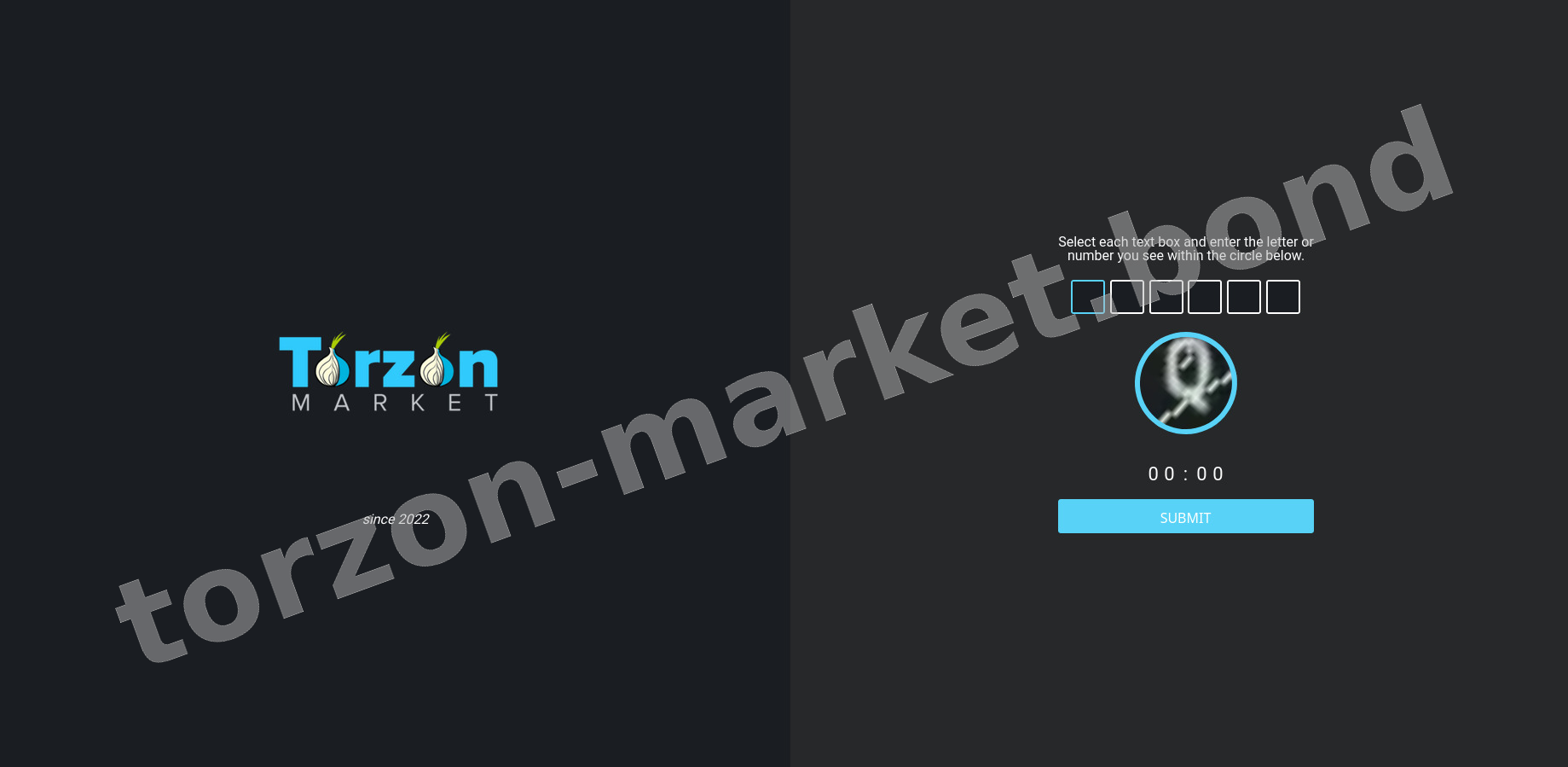
Fig 1. DDoS Protection Screen
Initial defense layer requiring clients to solve cryptographic challenges before generating routing sessions.
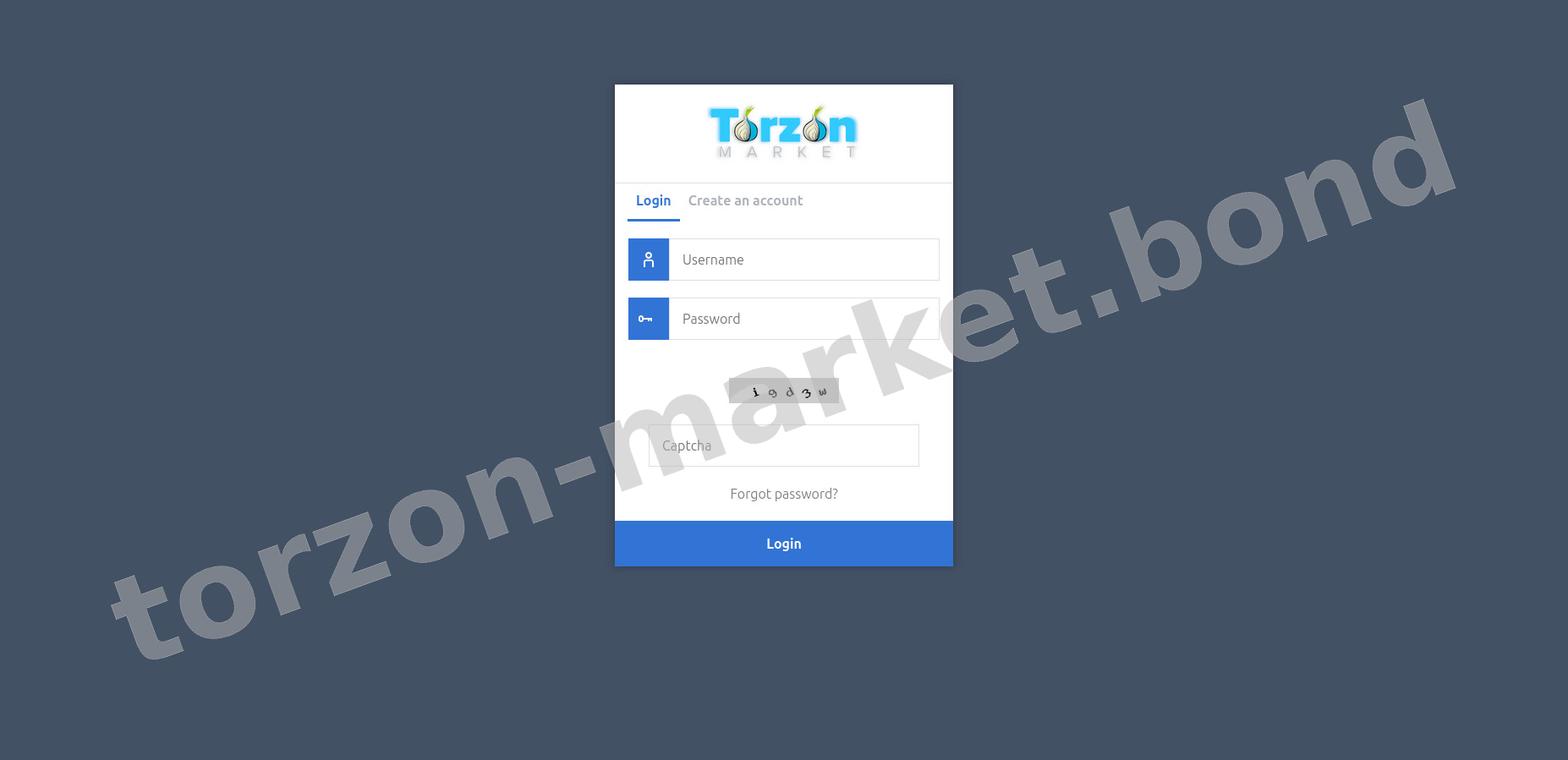
Fig 2. User Login Interface
Authentication node enforcing secure credential processing and mandatory dual-factor validation.
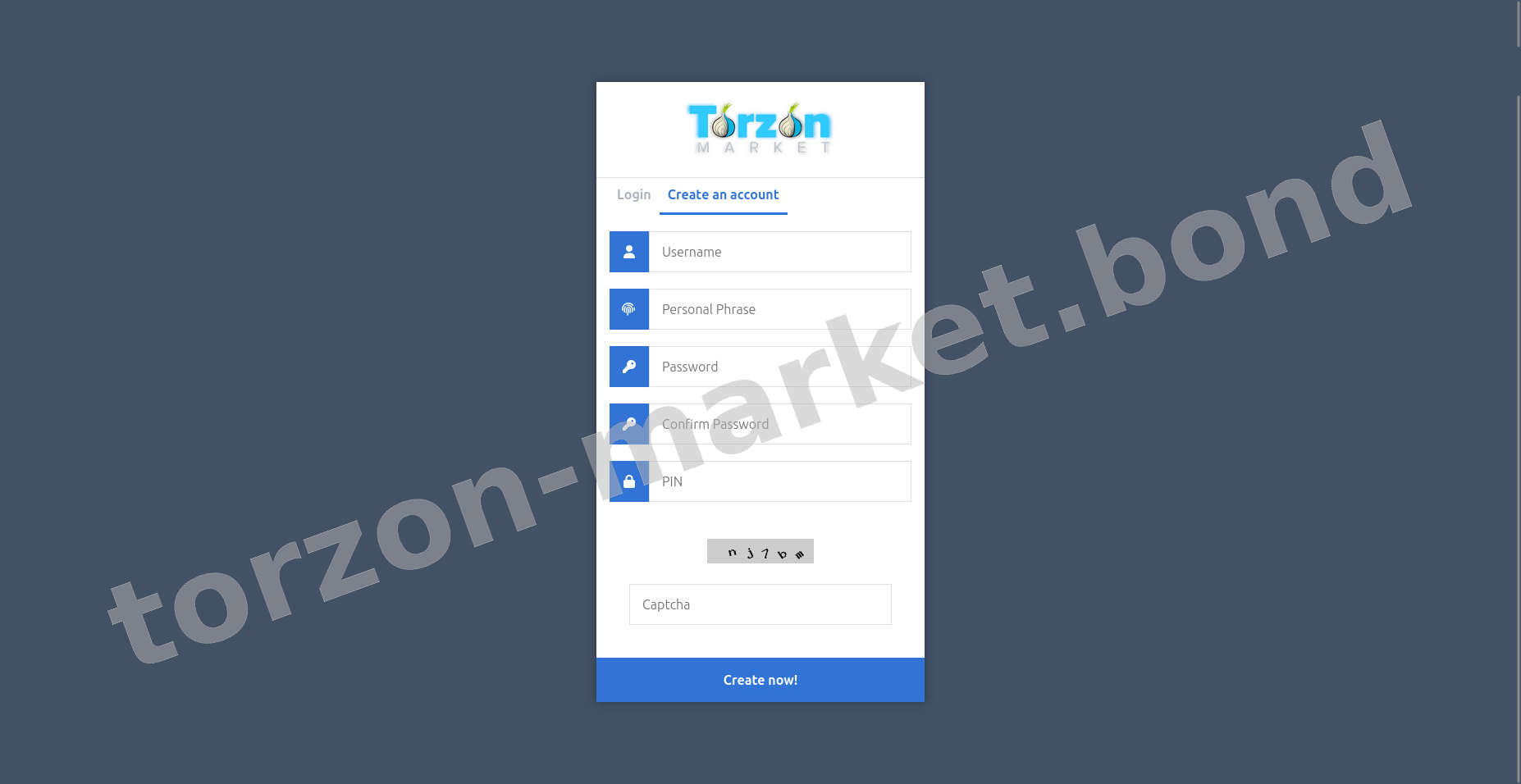
Fig 3. Account Registration Node
Client onboarding interface for generating secure profiles within the isolated network environment.
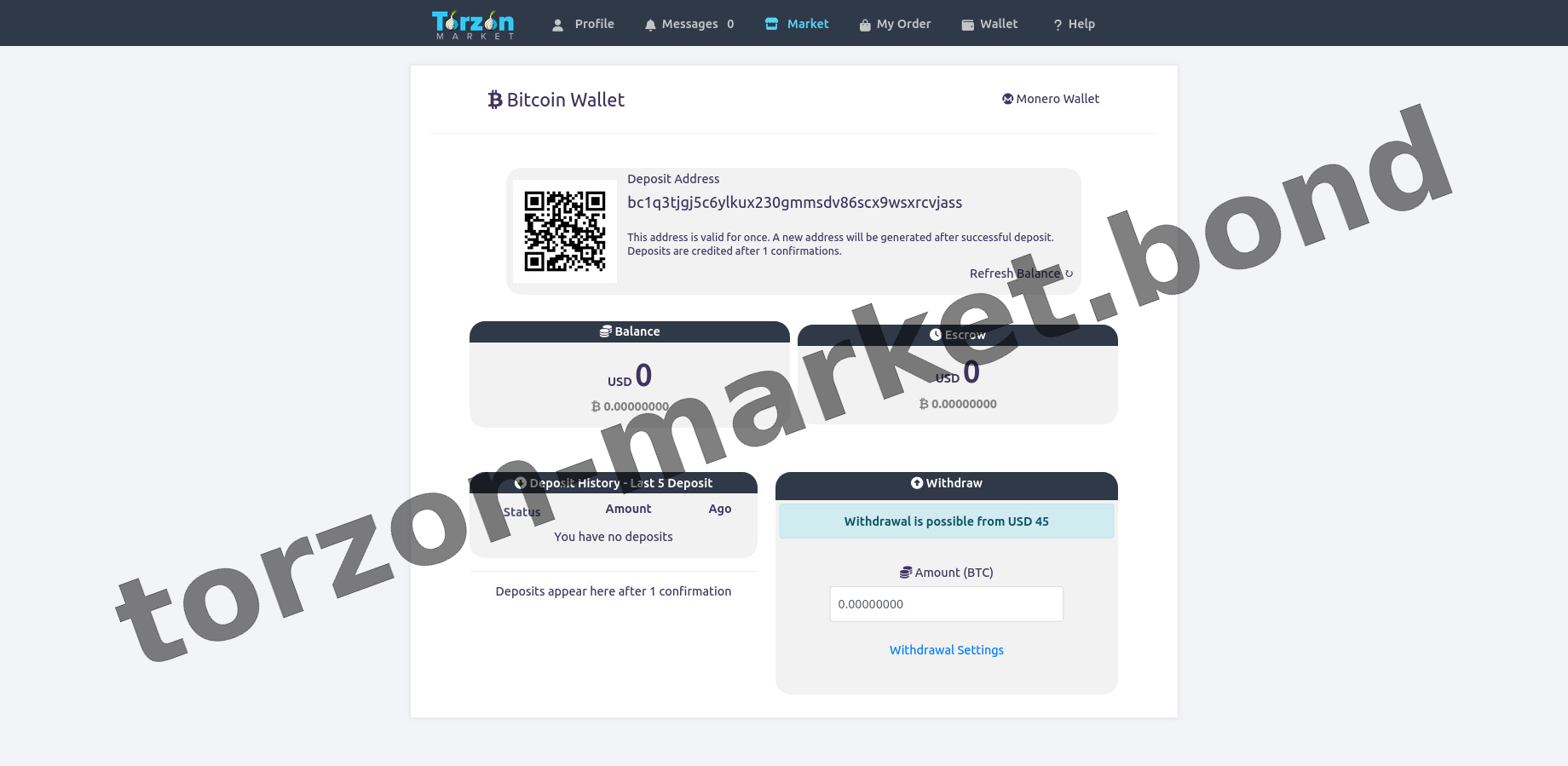
Fig 4. Main Market Dashboard
Primary interactive UI displaying digital asset categories, internal statistics, and localized client navigation.
Community & Statistics
Network Population
Research models estimate the active user base to consist of tens of thousands of individual network clients relying on the platform for objective data acquisition and digital asset transfer. The community surrounding TorZon Market maintains a reputation for high technical literacy and stringent operational security standards.
Merchant Verification
To reduce systemic friction and maintain stability, the platform enforces strict merchant policies. Prospective suppliers are required to deposit non-refundable cryptographic bonds before establishing directory listings. This financial requirement serves as an initial risk-mitigation strategy to ensure participant reliability within the decentralized ecosystem.